Monday, December 6, 2010

New Year's special food

Hi! Nice to see you! Have you hear of Osechi? Osechi is traditional cuisine in Japan. Many kinds of foods are placed beautifully in boxes which are piled up. It is prepared to celebrate coming of New Year. Also each of foods has special meaning.

Osechi was born one thousand years ago. Most families prepare Osechi wishing their family’s happiness and prosperity because New Year’s Day has the greatest significance in Japan. All foods are cooked in order not to go bad, so women don’t have to cook during New Year’s holiday. In this point, I think the purpose of preparing Osechi is same as that of making banh chung in Vietnam. Each of osechi’s components represents special meanings. Here I will show you some of them.

Kamaboko: a steamed fish paste. Its color is red and white.
It stands for sunrise. Red and white are traditional New Year's color.

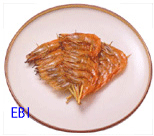
Ebi: steamed shrimp.
It represents longevity because the shrimp curves when it is heated and people wish that they can live until they become bent with age.

Kazunoko: a salted herring roe
It represents the prosperity of their families.

Osechi is essential for New Years’ celebration in Japan, and every one loves it.


How about Vietnam? Does your country have any traditional food especially for New Years’ celebration?

Questions about pho

Could you answer these questions, if you know about the question.
1, Where do you usually eat pho?
2, Do you eat pho for lunch or dinner?
3, how do you eat pho? Do you pour the soup on the rice?
4, Do you eat instant pho? if you know this, would you tell me about that?
5, how much does pho usuallly cost? if you know the cost of the instant pho, would you tell me.

Sunday, November 21, 2010

I posted questions asked by my students

Dear Vietnamese students,
Thank you for your reading our blog and commenting on my students' essays.  I hope you are learning a little about us as much as we are learning from you. 

My students are now collecting information to create a presentation about different aspects of Vietnamese culture.  I really appreciate if you could read their questions below and respond to them.  Thank you.

Questions about food

1. Have you eaten Balut ( an egg with a baby chicken)? When do people eat it?
2. What kind of dish do people make out of rice?

Questions about honeymoon

1. Where is the popular destination for honeymoon in your country?
2. How about Nha Trang or Dalat?  What kind of places are they?

Questions about Bánh mì

1. What type of Bánh mì is popular among young people?
2. When do you eat it? (breakfast or lunch)
3. Do people make it at home?

Monday, November 15, 2010

Japanese table manner


I would like to introduce Japanese table manner. We also use chopsticks but there are many rules way to eat different from Vietnam. There are three parts. At first, I will tell you how to eat rice. Second, I will tell you how to use chopsticks. Finally, I will tell you my memories in childhood.

Almost of all the Japanese eat rice. However, people which eat only bread or other food not rice are increasing. We empty our dishes to the last grain of rice. “The eyes of us who are careless with rice (or left rice) are crushed”. This tradition means such as the children lose their mind which consider important all things. So, I always eat all a grin of rice. If you can’t eat a lot amount of rice, choice only your portion which you can eat.

     In Japan, there are a number of manner of chopsticks. Sashibashi means that way to eat by sticking my chopsticks into food. The other manner is Watashibashi. This is placing my chopsticks across the rim of dish before finishing a meal so we use a chopstick rest or use fold a chopstick envelop like real. It’s a signal that you finish dishes.

     I was often warned about manner during dinner by my mother when I was child. “You don’t rest you elbows on the table, don’t sit with your knee drawn up, eat having a bowl and don’t eat foods with your mouth open, my mother said to me.” Vietnamese also use chopsticks, don’t you? Therefore Japanese manner may be alike with Vietnamese manner but there are the opposite manners too. When you come to Japan, you would better to search about Japanese manner. You will be able to enjoy a trip to Japan.